
Retail
RTS 2026: From Talking to Execution

5 May 2026
4 min
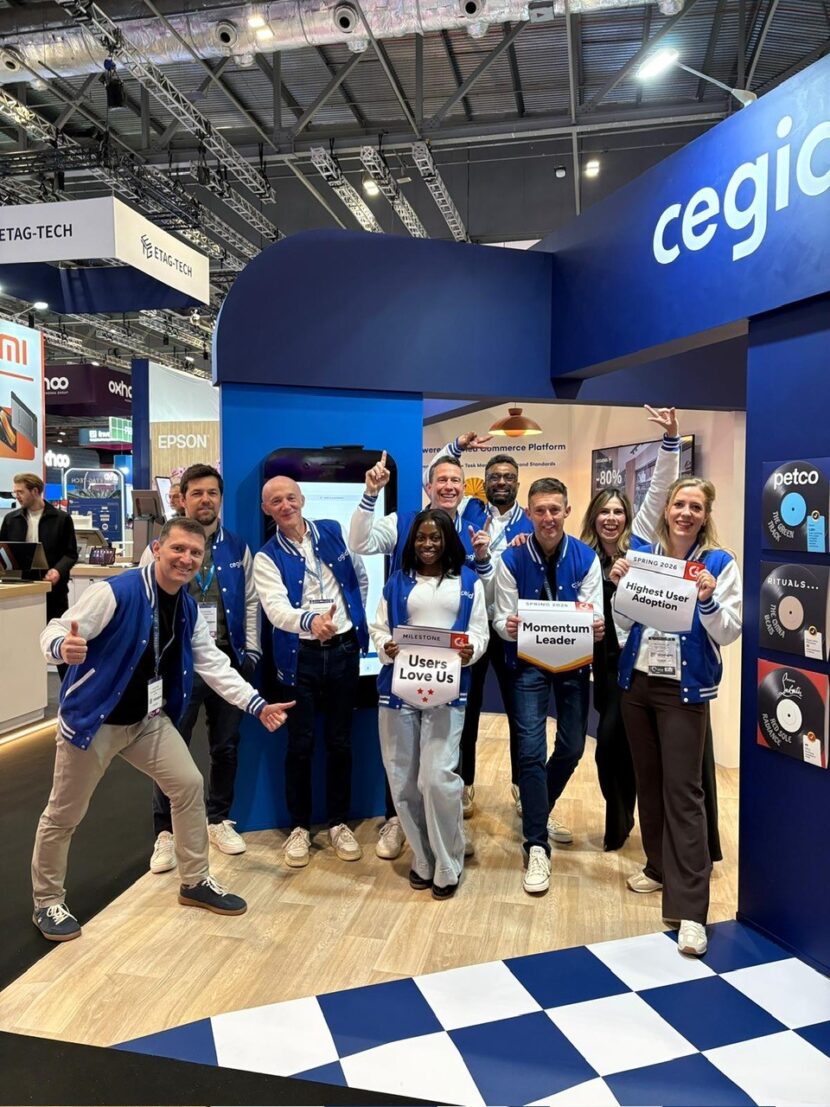
Two full days at the Retail Technology Show 2026, and one thing stood out immediately: this year felt different.
Yes, the show floor was busy. Yes, meetings were back‑to‑back. But the real shift wasn’t the energy…it was the intent. Retailers weren’t talking about what they might do next. They were talking about what they are actively replacing, consolidating, or switching off.
RTS 2026 felt like the point where the industry stopped discussing change and started executing it.
The End of “Pilot Purgatory”
Five months into 2026, a clear board‑level directive has replaced the experimentation of the last few years:
Execute. Build resilience. Reduce complexity.
In conversations with CIOs, CTOs, and Heads of Retail Technology, the dominant issue wasn’t innovation, it was overload.
Retailers described environments where they are running:
- Four or five separate platforms across POS, clienteling, task management, BI, and ERP
- Custom integrations holding those systems together
- Annual maintenance costs running well into seven figures
One retailer told us they are spending over £1M per year just to maintain legacy systems, before delivering any incremental value to stores or customers.
The problem isn’t that these tools are bad. It’s that the combined system is brittle, expensive, and slow to change.
Why Consolidation Is Becoming a Strategic Move (Not a Cost Cut)
Retailers aren’t consolidating because they suddenly stopped caring about best‑in‑class tools. They’re consolidating because fragmentation has created a new operational tax.
Here’s the part that matters most to retail and IT leaders:
Fragmentation slows decisions and execution at store level.
When POS, task management, clienteling, and reporting all live in separate systems or clunky, complex integrations:
- Data arrives late or out of context
- Store teams switch screens constantly
- Managers spend time reconciling instead of acting
- Head office issues directives without real‑time feedback
Consolidation changes that dynamic.
Retailers told us they are willing to accept 80% of the functionality from a single platform because what they gain is more valuable:
- One operational truth instead of competing dashboards
- Faster decision‑making because data and execution live together
- Less cognitive load for store teams
- Fewer handoffs between systems, teams, and vendors
This isn’t about simplification for IT’s sake. It’s about speed and clarity on the shop floor.
What RTS 2026 Made Clear
Rather than treating these as disconnected trends, RTS 2026 showed how they reinforce each other:
- Agentic AI Is About Execution, Not Insight
Retailers have enough dashboards. What they lack is follow‑through.
Agentic AI stood out because it closes the loop, turning signals into actions, and actions into validated outcomes. When AI is embedded into execution systems (not bolted on), it reduces manual decision‑making instead of adding another layer of analysis.
- Resilience Comes from Fewer Moving Parts
After the cyber incidents of 2025, resilience is no longer theoretical. Retailers are recognising that every additional system, integration, and data handoff is another failure point. Consolidation isn’t just cheaper, it’s structurally more resilient.
- The Store Associate Is the Real Endpoint
Retail leaders were explicit: store teams don’t need more tools. They need fewer decisions, clearer priorities, and less screen‑time.
Technology that reduces context‑switching and automates low‑value work is now seen as directly linked to customer experience and retention.
How This Translates into the Cegid Approach
This is where our RTS conversations directly connect to what we build.
At the show, we demonstrated practical, real‑world use cases of Cegid Pulse, our suite of AI agents designed to support store execution.
- Conversational Agent A single entry point to operational and product data, removing the need for associates and managers to navigate multiple systems.
- Execution Engine Our task management platform uses machine learning to prioritise, validate, and recommend actions, replacing static checklists with adaptive execution.
- Insights & Automation Agents These agents identify risks, exceptions, and opportunities and push actions directly into store workflows, not into another report.
The intent is simple: One operational flow, from insight to action to validation.
A Milestone Worth Noting
During RTS, we were proud to share that Cegid was named a G2 Leader for Retail Task Management, based on verified customer feedback collected this spring.
In a market focused on execution and measurable outcomes, that recognition reflects what customers are seeing in daily operations, not just feature sets.
What Retail Leaders Should Do Next
RTS 2026 wasn’t about inspiration. It was about decisions.
If there’s one practical takeaway for retail and IT leaders, it’s this:
Start with an honest audit of your store execution stack.
- How many systems does a store associate touch in a shift?
- Where does data get delayed, duplicated, or ignored?
- How much of your technology budget is spent maintaining rather than improving?
Consolidation doesn’t start with replacing everything. It starts with identifying where fragmentation is actively slowing execution.
RTS 2026 showed us that retailers are done adding more tools. The next phase is making fewer systems work better together.
That’s the work ahead for the rest of 2026.
Planning for the next phase
If resilience, cost control, and execution speed are now board‑level priorities, your architecture matters more than your feature list.
We’re happy to review your current setup and discuss how leading retailers are simplifying their store technology without losing capability.
CONTACT US TO START THE CONVERSATION
Our recommended articles

E-wallet for retail: which solution should you choose?
Digitalising gift cards, vouchers and loyalty cards in Apple Wallet and Google Wallet is not primarily a product question, but an integration model question. Four approaches coexist and the right…
Article 12 October 2026 7 min

Application Fragmentation: The Hidden Cost for Retailers
Your store teams juggle on many applications. Discover the true hidden cost of this fragmentation, its strategic implications, and the direction retailers are taking.
Article 17 September 2026 7 min

Summer 2026 Accelerates Three Major Retail Trends: Omnichannel, Store Efficiency, and Premium—Cegid Retail Data Reveals the New Market Reality
Retail 2026: omnichannel, team adoption, and store efficiency. Cegid Retail Y2 data reveals three major trends. Discover the transformation priorities driving the market.
Article 15 September 2026 4 min