
Retail
Embracing Direct-to-Consumer Strategies: Preparing for the Future of Retail

19 March 2026
4 min

Why DTC and Resale Are Shaping the Future of Retail
The rise of DTC reflects a broader shift in consumer behaviour. Shoppers increasingly want to buy from brands, not just retailers. They want authenticity, storytelling and consistency across every interaction. At the same time, resale, refurbishment and circular models are becoming mainstream, driven by sustainability concerns, economic pressure and changing attitudes to ownership.
Together, DTC and resale offer brands:
- Greater control over brand experience
- Direct access to customer data and insight
- Higher long-term customer lifetime value
- New revenue streams aligned with sustainability goals
However, these models also increase operational complexity. Managing pricing, inventory, fulfilment, returns and customer experience across DTC, wholesale, marketplaces and physical stores requires a unified approach not disconnected systems.
Protecting Brand Integrity While Moving Direct
One of the biggest concerns CEOs raise about DTC is brand dilution. When brands expand into new channels, experiences can quickly become inconsistent which undermines trust rather than strengthening it.
This is where unified commerce becomes essential. A unified commerce platform ensures that product information, pricing, promotions, inventory and customer data are consistent across every touchpoint. Whether a customer shops via a flagship store, brand website, pop-up, outlet or resale channel, the experience feels coherent and intentional.
Luxury and premium brands have been early adopters of this approach, particularly through experiential retail. Physical stores are now immersive brand destinations that bring DTC strategies to life.
From personalized service and exclusive events to immersive environments and clienteling, experiential retail allows brands to deepen emotional connection while maintaining full control over how the brand is represented globally.
Experiential Retail: The Physical Expression of DTC
As digital commerce becomes frictionless, physical retail must offer something more meaningful. Experiential retail transforms stores into places customers want to visit, not because they have to, but because the experience is memorable. This is especially powerful in fashion and beauty, where emotion, identity and aspiration play a central role in purchasing decisions.
Unified commerce platforms enable experiential retail by connecting:
- Real-time inventory and endless aisle capabilities
- Customer profiles and purchase history
- Mobile tools for personalised service
- Consistent execution across global store networks
When store teams have access to the same data and tools as digital teams, physical spaces become a natural extension of the DTC ecosystem not a separate channel competing for attention.
Personalization: From Marketing Promise to Operational Reality
Personalization is one of the strongest drivers of DTC success but it only works when data flows freely across the organisation.
Consumers now expect brands to recognise them, remember preferences and make relevant recommendations whether online or in-store. This level of personalization cannot be delivered through fragmented systems or siloed data.
A unified commerce approach creates a single view of the customer, enabling:
- Personalised recommendations in-store and online
- Consistent loyalty and clienteling strategies
- Smarter merchandising and assortment decisions
- More relevant, less intrusive marketing
AI plays a critical role here, not by replacing human creativity, but by amplifying it. AI-powered insights help brands understand demand patterns, predict preferences and support more informed decision-making at scale.
Sustainability as a DTC Growth Lever
Sustainability is no longer just a brand value, it is a commercial differentiator. DTC and resale models give brands greater control over product lifecycle, traceability and transparency. They also allow brands to tell more credible sustainability stories, backed by data rather than marketing claims.
Unified commerce platforms support this by:
- Improving inventory accuracy and reducing overproduction
- Enabling resale, refurbishment and circular initiatives
- Supporting local fulfilment to reduce environmental impact
- Providing better data for sustainability reporting
For CEOs, this creates a powerful alignment between profitability, responsibility and customer trust.
The Operational Reality: DTC Requires Strong Foundations
While DTC promises closer customer relationships, it also raises the bar for execution. Customers expect fast fulfilment, flexible delivery and easy returns, regardless of channel. They want to buy online, return in-store, access endless aisle options and receive consistent service every time.
Delivering this requires:
- Real-time inventory visibility across all locations
- Seamless integration between POS, eCommerce and CRM
- Empowered store teams with mobile tools and clear processes
- Scalable, secure cloud infrastructure to support growth
Without these foundations, DTC strategies quickly become costly and complex. With them, DTC becomes a powerful engine for growth, loyalty and differentiation.
A CEO’s Perspective: DTC as a Long-Term Strategy
For CEOs, embracing DTC is not about chasing trends. It is about future-proofing the business. The most successful retailers are not choosing between wholesale, omnichannel and DTC, they are integrating them intelligently. They are using unified commerce and AI to remove friction, deepen relationships and stay aligned with evolving consumer values.
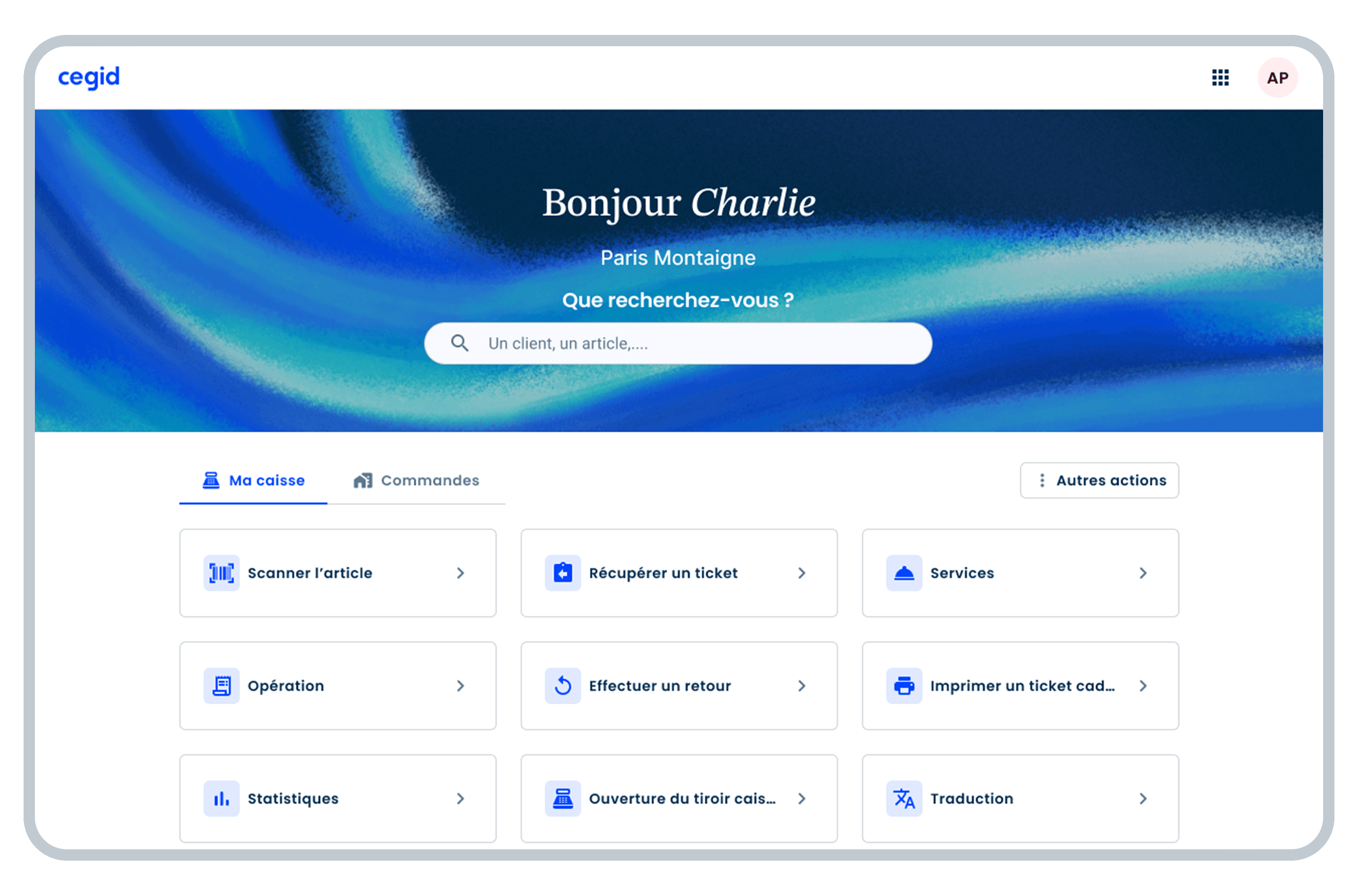
Cegid Retail supports this transformation as a global, AI-powered unified commerce platform enabling brands to scale DTC strategies, support experiential retail, embed sustainability and deliver personalised experiences without compromising operational control.
Explore the future of beauty & cosmetics
Learn moreLearn about DTC solutions
Cegid Retail
A unified sales platform dedicated to retail activities, for an exceptional shopping experience – maximum agility, anywhere in the world.
- Easily manage your omnichannel sales
- Maximize your stock availability
- Manage all your retail activities
- Secure & international SaaS solution
Our recommended articles

Luxury Retail Operations: The Art of Connected Commerce
In an industry where customer expectations continually redefine the boundaries of excellence, luxury retail is accelerating its transformation. Discover how system unification, omnichannel strategies, and AI now empower leading luxury…
Posts 27 May 2026 5 min

IT Performance in Luxury Retail: The CIO’s Guide to Digital Transformation
In a sector where customer expectations continually reshape the standards of excellence, IT leaders in luxury retail face the challenge of harmonising innovation and tradition. Explore how unified digital strategies…
Posts 26 May 2026 4 min

Cegid obtains ISAE 3402 – SOC 1 Type 1 compliance report: enhanced security for retailers
Cegid Retail Y2 confirms its operational excellence by obtaining the ISAE 3402 - SOC 1 Type 1 report. This independent audit validates the rigorous design of our security controls to…
Posts 26 May 2026 3 min