
Retail
Luxury omnichannel strategies: The growth engine for brands

11 December 2025
Understanding Omnichannel in Luxury
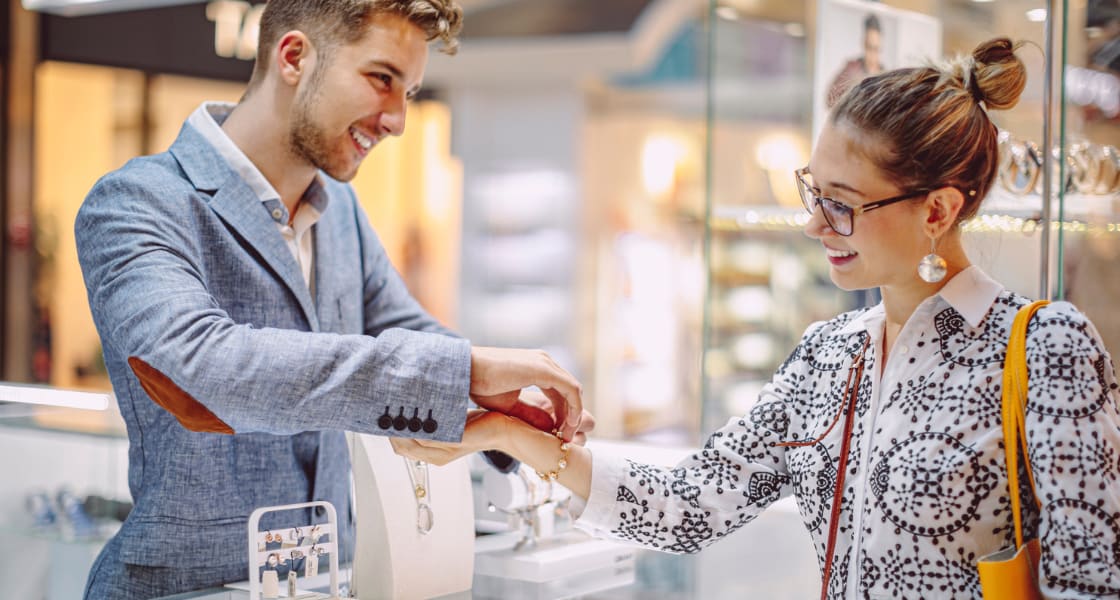
Omnichannel is about more than just being present on multiple channels. It’s about creating a unified, seamless customer experience, where every touchpoint—online or in-store—is fully interconnected. For luxury consumers, this means starting their journey on Instagram, exploring a collection on the website, and completing their purchase in-store with a personalised service informed by their prior interactions.
The Evolution of Consumer Expectations
Modern luxury clients demand seamlessness, consistency, and flexibility. Their expectations have shifted:
- Journey Continuity: Customers no longer see clear boundaries between digital and physical. They expect their purchase history and preferences to be recognised across all channels.
- Speed and Service: The efficiency of e-commerce has set new standards. Delivery, returns, and reservations must be simple and fast.
- Enhanced Personalisation: Customers want to feel unique, expecting recommendations and services that deeply understand their tastes and needs.
Specific Challenges for the Luxury Sector
Integrating digital tools without diluting the brand’s identity is a key challenge. Luxury is built on exclusivity, rarity, and emotion. The goal is to use technology not to automate but to elevate and enrich the human experience. It’s not about replacing in-store advisors but equipping them with tools to deliver even more exceptional service. The digitalisation of luxury retail must amplify the brand’s craftsmanship and heritage, not overshadow it.
Omnichannel Strategies to Accelerate Growth
To turn these challenges into opportunities, luxury brands can implement tangible strategies that drive growth and strengthen customer loyalty.
1. Merging Online and Offline Channels
Bridging physical and digital channels is the foundation of a successful omnichannel strategy.
- Click-and-Collect and E-Reservations: Allowing clients to reserve an item online to try in-store not only secures the sale but also generates qualified foot traffic, opening opportunities for additional purchases.
- Simplified Returns: Offering the option to return an online purchase in-store (or vice-versa) eliminates friction and enhances the perception of high-quality customer service.
- Online Appointment Booking: Services like personalised fittings or consultations elevate in-store visits as privileged moments for the client.
2. Omnichannel Personalisation
The key to luxury omnichannel personalisation lies in centralising data. By unifying information from all touchpoints (online and in-store purchases, website browsing, social media interactions), brands can build a 360-degree view of each client. This allows them to:
- Deliver highly targeted online recommendations.
- Equip in-store advisors with relevant data (wishlists, sizes, purchase occasions) for tailored service from the moment the client walks in.
3. Immersive Technology and Phygital Experiences
Luxury phygital experiences blend the best of both worlds to create memorable moments.
- Exclusive Live Shopping: Live sales events hosted by experts or ambassadors recreate the exclusivity of a private launch on a broader scale.
- Augmented Reality: Apps that allow virtual try-ons for watches, jewellery, or even furniture reduce uncertainty and accelerate purchase decisions.
- Smart Mirrors in Stores: These devices suggest complementary looks, display product details, or connect clients with advisors, enhancing the fitting experience.
4. Logistics Optimisation and Supply Chain Excellence
Luxury experiences leave no room for logistical failures. An agile supply chain is essential to guarantee fast delivery and impeccable packaging. Unified stock management (Ship-from-Store) turns boutiques into mini-warehouses, optimising product availability and shortening delivery times.
Case Studies Illustrating Omnichannel Impact
Key Statistics on Omnichannel Performance
Adopting omnichannel strategies delivers measurable results for luxury brands, both commercially and operationally. Here are key insights from the Digital Fashion Academy:
- Increased Customer Retention: Brands with omnichannel strategies achieve an 89% client retention rate, compared to just 33% for single-channel operators (Digital Fashion Academy).
- Revenue Growth: Omnichannel brands see an average annual revenue growth of 9.5%, versus 3.4% for monocanal brands.
- Value of Omnichannel Clients: Though omnichannel clients represent just 7% of the customer base, they account for 27% of total sales, demonstrating their strategic importance.
- Impact on Engagement: Using three or more channels results in a 494% increase in order rates and a 250% rise in client engagement compared to monocanal players.
- Operational Efficiency: Unified stock management reduces out-of-stock incidents and optimises the supply chain. Notably, 27% of clients abandon a site when faced with unavailable products, highlighting the importance of stock accessibility.
Measuring and Sustaining Results: Key Performance Indicators (KPIs)
To assess the success of your initiatives, focus on relevant metrics:
- Omnichannel Conversion Rate: Track the share of clients interacting across multiple channels before making a purchase.
- Customer Lifetime Value (CLV): Omnichannel clients are typically more loyal and spend more. Monitor changes in their lifetime value.
- Customer Satisfaction (NPS/CSAT): Measure satisfaction specifically linked to the seamlessness of their experience across channels.
- Adoption Rate of Omnichannel Services: Track the usage of click-and-collect, e-reservations, and similar services.
The Role of Feedback and Training
The success of an omnichannel strategy relies on both technology and people.
- Collecting Feedback: Implement systems to gather customer feedback at every stage of their journey. These insights are crucial for identifying friction points and refining the experience.
- Continuous Team Training: In-store staff are ambassadors of your omnichannel strategy. They must fully master digital tools to deliver a consistent, high-quality service that meets the expectations of a demanding clientele.
Conclusion
Omnichannel strategies are no longer a trend but a cornerstone of luxury brand growth. By intelligently bridging digital and physical, luxury houses can offer rich, personalised, and seamless experiences that not only meet but exceed the expectations of modern consumers. Investing in integrated technological solutions and fostering a customer-centric company culture is now essential to maintain a competitive edge and achieve sustainable growth.
To discover how omnichannel can drive growth for your luxury brand through innovative solutions, explore Cegid Retail solutions.
Sources
- HUB Institute, 2024 – “Luxury, Fashion, and Beauty: Transformations for Omnichannel Strategy”
- Digital Fashion Academy, 2025 – “Measuring ROI of Omnichannel for Fashion”
- Bain & Company, Global Luxury Study 2024
Our recommended articles

Boosting in-store performance in the cosmetics and beauty sectors via unified commerce
Article 5 May 2026 7 min
Tackling IT Challenges in Beauty Retail: Breaking Free from Legacy Constraints
Article 24 March 2026 5 min