
Retail
Gift Cards, Vouchers and Loyalty Programmes: How to Turn Them into Real Engagement Levers

8 September 2026
7 min
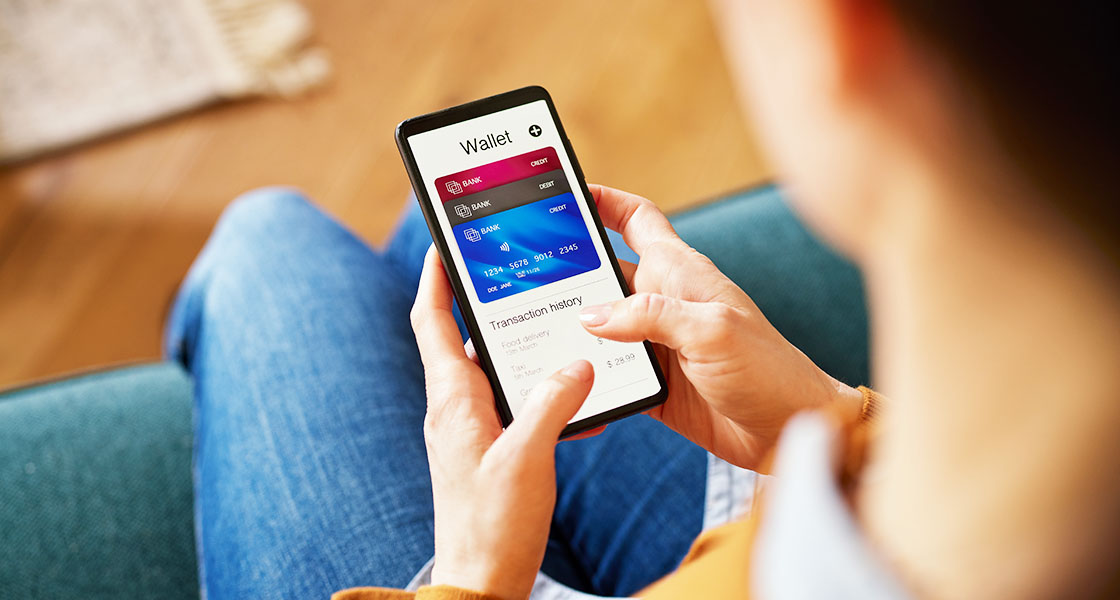
In brief: Once distributed, gift cards, vouchers and loyalty cards often go unused. By digitising them into Apple Wallet and Google Wallet, retailers turn these passive assets into active communication channels—expiry reminders, geo-located notifications, and real-time balance synchronisation all increase reward usage and drive footfall.
Retailers invest heavily in acquiring customers and building customer loyalty. Yet once distributed, gift cards, vouchers and loyalty cards often become passive assets. They get forgotten in a drawer, lost, or left unused before they expire.
The reality is straightforward: a customer benefit that goes unused is a missed commercial opportunity. Brands are now looking to turn these assets into genuine touchpoints—ones that sustain the retail customer relationship and bring shoppers back in store.
This article examines the limitations of traditional models, evolving consumer expectations, and how the digital wallet is reshaping customer engagement in retail. It also connects to the broader challenge of retail application fragmentation that many brands are working to address.
Why Traditional Gift Card and Loyalty Models Are Running Out of Steam
The gift card market is, in fact, booming. In France alone, it exceeds €8 billion, with growth of +13.2% in 2024 and an estimated +5% in 2025 (French Gift Card Market Barometer 2025, Points de Vente). The gift card is no longer a seasonal product—it has become a strategic instrument at the intersection of payment, marketing, and customer relations.
But physical formats come with well-known limitations:
- Physical gift cards get lost or forgotten. Once tucked away in a drawer, they disappear from the customer’s mind.
- Vouchers expire unused. No reminder alerts the holder before it is too late.
- Loyalty cards are missing at the moment of purchase. The customer forgets their card, and the touchpoint is lost.
- Retailers have few tools to reactivate a benefit. Once a voucher has been issued, the brand has no way to encourage its use.
The result? Unused balances that typically represent between 4% and 7% of the value issued—a cost that is absorbed rather than managed, for lack of the right tools.
What Consumers Actually Expect Today
The smartphone has become the central access point for all retail services. Consumers use it at every stage of their omnichannel shopping journey, from product discovery through to checkout.
This shift transforms their expectations. They want immediate access to their benefits, with no friction, and a seamless customer experience between digital and physical. In practice, a customer expects to be able to:
- retrieve a digital gift card in seconds, without searching through pockets or emails;
- check their balance in real time, at any moment;
- receive a reminder before a voucher expires.
Adoption of digital wallets confirms this trend. Today, one in five consumers already stores their coupons and gift cards in Apple Wallet or Google Wallet (IFOP survey, 2025). The shift is already under way—and accelerating.
How Customer Benefits Become New Communication Channels
Here is the key shift in perspective: gift cards and loyalty programmes no longer serve only to reward a purchase. They open an ongoing dialogue between the brand and the customer.
A digitised benefit now allows retailers to:
- maintain the relationship after a visit, by staying present on the customer’s smartphone;
- encourage return visits, through well-timed, relevant prompts;
- personalise interactions, based on purchase behaviour;
- create new sales opportunities, at exactly the right moment.
The levers are tangible: push notifications, expiry reminders, personalised messages, and geo-located alerts triggered when a customer passes near a point of sale. The impact is measurable. According to the IFOP survey of 2025, 73% of consumers say they are more likely to buy again from a brand when they receive an offer directly in their wallet.
This evolution reflects a deeper transformation of retail roles. Marketing and CRM teams must now master new tools to orchestrate these interactions—a reality that aligns with the direct-to-consumer strategies many brands are rolling out today.
The Digital Wallet: A New Way to Connect Retailers and Customers
Apple Wallet and Google Wallet open up new possibilities for retail loyalty. Their key advantage lies in how simple they are to access—for both the customer and the retailer.
A retail e-wallet offers:
- No app to download. The wallet is already installed on millions of smartphones, removing the main barrier to adoption.
- Permanent access from the smartphone. Cards and vouchers are always to hand, within a familiar interface.
- Information synchronised in real time. Balance, status and expiry date update automatically after every use.
- A seamless experience across digital and physical. The customer enjoys a consistent journey, whatever the channel.
This is exactly what Cegid Retail Y2 e-Wallet delivers. This module allows retailers to digitise gift cards, vouchers, credit notes and loyalty cards into Apple Wallet and Google Wallet, with a native connection to Cegid Retail Y2. This approach fits naturally into a broader clienteling strategy focused on personalised customer relationships.
The Concrete Benefits of Cegid Retail Y2 e-Wallet for Retailers
The approach delivers several direct advantages for retail teams:
- No mobile app project required. There is no need to build a dedicated mobile application or transform your existing systems.
- Frictionless mobile enrolment. The customer scans a QR code, signs up, and gives their consents directly on their own device. Their record is created in Cegid Retail Y2 CRM in real time. Observed result: QR code enrolment recruits around three times more new customers in store than paper forms.
- Enhanced security. Secured pass numbering replaces sequential identifiers, reducing fraud exposure across digital channels.
- A free starting point. The offer begins at no licence cost for customer enrolment, up to 2,500 customers enrolled per year, allowing retailers to prove value before scaling.
The performance gains are equally compelling. Gift card holders spend on average 24% above the face value of their card (IFOP survey, 2025). And for brands already using this wallet technology, the results speak for themselves: +10% checkout attachment rate, +40% spend from wallet cardholders, +70% wallet add rate, and in-store customer acquisition multiplied by three.
Customer Benefits as a Strategic Driver of Customer Relations
Customer loyalty is no longer won solely at the point of purchase. Retailers must now create continuous interactions with their customers—before, during and after every visit.
By turning gift cards, vouchers and digital loyalty programmes into smartphone-accessible experiences, brands gain on three fronts: they increase benefit usage, strengthen customer engagement, and drive more traffic in store.
The retail digital wallet is no longer a future-facing option. It is a fully operational customer relationship channel, ready to activate.
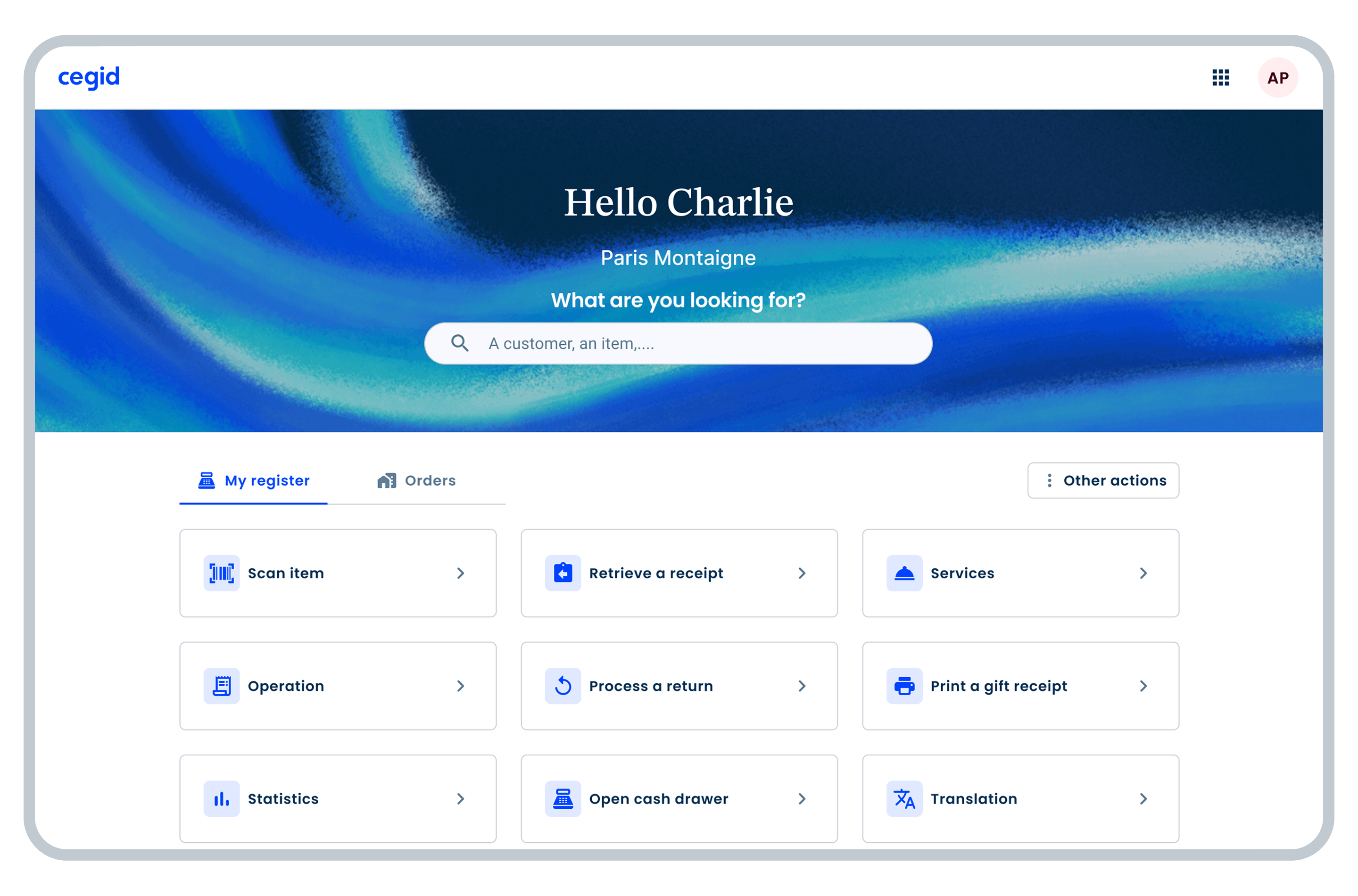
Cegid Retail
A unified sales platform dedicated to retail activities, for an exceptional shopping experience – maximum agility, anywhere in the world.
- Easily manage your omnichannel sales
- Maximize your stock availability
- Manage all your retail activities
- Secure & international SaaS solution
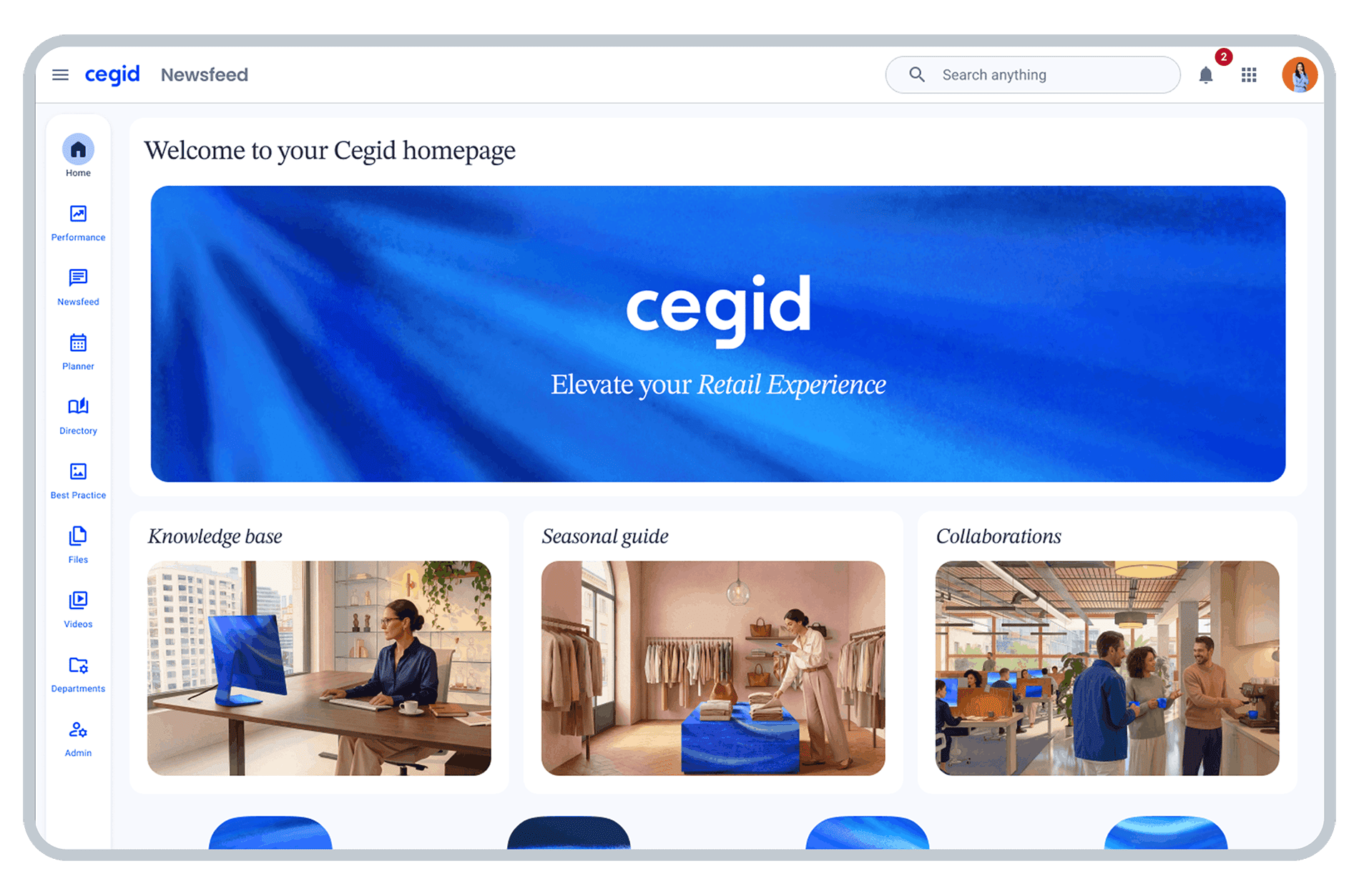
Cegid Retail Store Excellence
A powerful task management platform for all your retail teams.
- Stores will never miss a task again
- Clear and targeted operational comms
- Visual Merchandising Excellence
- Checks and audits you can count on
Our recommended articles
E-wallet for retail: which solution should you choose?
Digitalising gift cards, vouchers and loyalty cards in Apple Wallet and Google Wallet is not primarily a product question, but an integration model question. Four approaches coexist and the right…
Article 12 October 2026 7 min
Application Fragmentation: The Hidden Cost for Retailers
Your store teams juggle on many applications. Discover the true hidden cost of this fragmentation, its strategic implications, and the direction retailers are taking.
Article 17 September 2026 7 min
Summer 2026 Accelerates Three Major Retail Trends: Omnichannel, Store Efficiency, and Premium—Cegid Retail Data Reveals the New Market Reality
Retail 2026: omnichannel, team adoption, and store efficiency. Cegid Retail Y2 data reveals three major trends. Discover the transformation priorities driving the market.
Article 15 September 2026 4 min