
Cegid, management software publisher
Together,
make more possible
Say yes to your projects and grow your business with Cegid’s purposeful and innovative solutions.
Cegid acquires Shine to accelerate the path of becoming Europe’s leading financial copilot for SMBs and accountants.
Inspired by your business, ready for you

Retail
Elevate Your Retail Experience.
Deliver an exceptional customer experience across all channels, all over the world, thanks to engaged in-store teams who are ambassadors of your brand.

Human Resources
Rethink work experience for lasting performance.
Drive and manage the transformation of your organization, simplify HR processes and accelerate HRIS productivity with a global and open HCM platform.
Resources to benefit your business


IT Performance in Luxury Retail: The CIO’s Guide to Digital Transformation
Posts 26 May 2026 4 min

Cegid obtains ISAE 3402 – SOC 1 Type 1 compliance report: enhanced security for retailers
Posts 26 May 2026 3 min
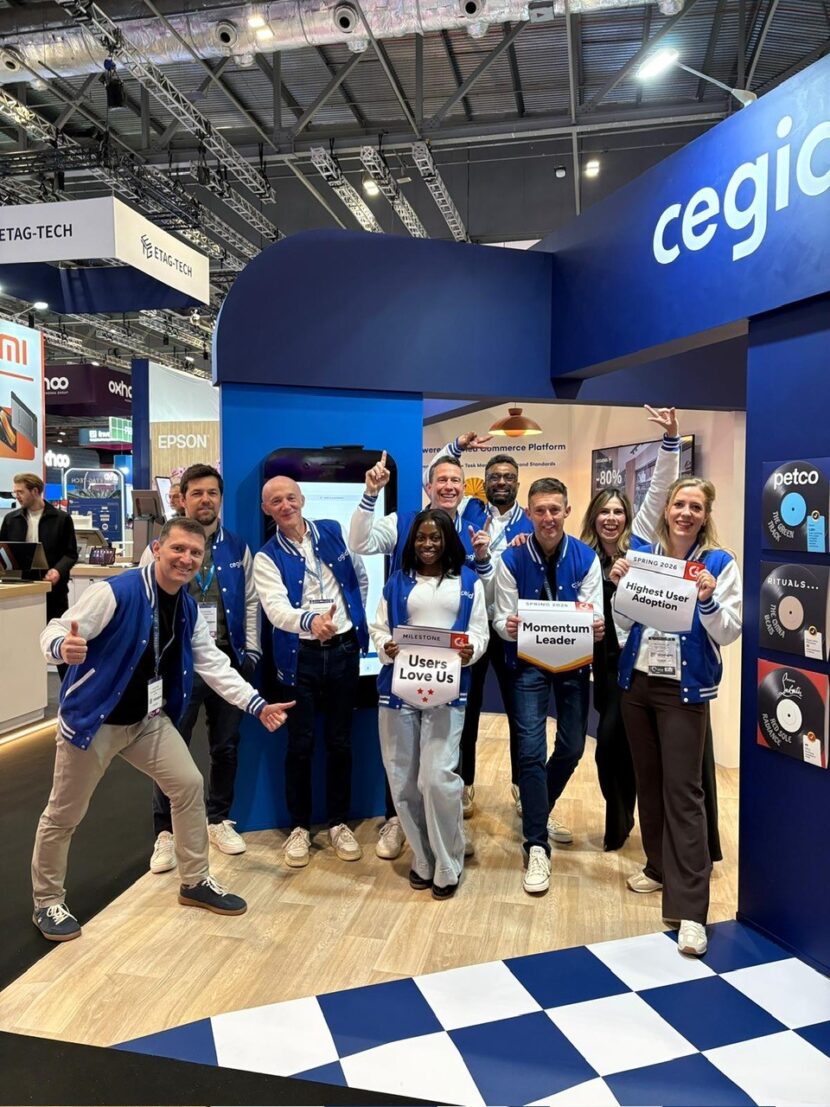
Boosting in-store performance in the cosmetics and beauty sectors via unified commerce
Article 5 May 2026 7 min
Tackling IT Challenges in Beauty Retail: Breaking Free from Legacy Constraints
Article 24 March 2026 5 min

Creating Immersive Retail Spaces: Lessons from DIY, Gardening and Specialty Foods
Article 20 March 2026 4 min
Embracing Direct-to-Consumer Strategies: Preparing for the Future of Retail
A CEO’s guide to direct-to-consumer strategies, exploring DTC, resale, sustainability and personalization as pillars of future-ready retail growth.
19 March 2026


Unified Commerce in Jewellery: The CIO’s Strategy for an Agile Retail Business
Article 17 March 2026 6 min
Omnichannel Excellence: A CEO’s Guide to Meeting Modern Consumer Expectations
Article 25 February 2026 4 min


OCR or optical character recognition software
Article 13 January 2026 4 min
Purposeful innovation with the sole objective of creating value for our customers
User experience
We optimize the user experience, with the aim of making it even more intuitive.
Find out more
Artificial Intelligence
We integrate augmented intelligence into our products, allowing our customers to anticipate and make informed decisions using scenario modeling.
Learn More
Automation
We automate repetitive tasks so that our customers and their teams can focus on missions with a high added value for their businesses.

Cegid, Cloud leader with 20 years of expertise
750 000
customers put their trust in us

4 / 250
Classification of French software providers | EY / Numeum 2024

4 / 100
Classification of French software providers | Truffle 100 2024

Since 2018, the Lacoste Group has sought to offer all of its employees a unified and digitalized HR experience. Thanks to the Cegid Talentsoft solution, we can take a giant step forward in our plan and achieve our objectives.


A major advantage of Cegid Retail is that we have a single solution that's live in the 35 countries where we operate. It helps us comply with local regulations and implement common practices and processes across the group. It's also essential in that it ensures compliance with the L’Oréal Group's best practices and guidelines.


At JCDecaux, we're interested in having peace of mind when using applications, and this is something we've achieved with Cegid. We've been able to take advantage of the platform without the problems that can be common in information technology. We get an impeccable level of support and what I like is that we also have this proactivity in terms of announcing the changes that need to be made

The implementation of custom dashboards has reduced the workload of the sales team, but also made for smoother reporting of information to the management for budget forecasts.


You can't succeed without information and the investment we made in information systems allows us to have refined information in our ERP and that also naturally contributes to our company’s success.

The software helps us a lot in running our company daily. Instead of spending two hours working our accounting, in 20 or 30 minutes we can post 50 to 60 documents, which frees up time for what is essential.